Tag: leadership skills

Shifts and Surges
In his 2015 book, The Great Surge: The Ascent of the Developing World, Steven Radelet makes a powerful argument about sustaining global economic progress in the future. The book is a well-crafted antidote to today’s pessimistic views that the world is going in the wrong direction and heading for an inevitable catastrophe. In light of the alarming news about climate change and radical Islam, Radelet provides a refreshing perspective: not only have we seen dramatic Read More

Selecting Coaches
Forty years ago, I wrote my doctoral dissertation on the selection of counselors for public high schools. I didn’t write it to create a career-defining, landmark study. I wrote it to check off a box for the completion of my doctoral degree in counseling psychology. Little did I know that the profession of coaching and counseling would explode in the next century. Now, practically everyone either has a coach or is a coach. The question Read More

Step Back
In 2013, Sheryl Sandberg’s Lean In became a massive cultural phenomenon, and its title became an instant catchphrase for empowering women. The book soared to the top of best-seller lists both nationally and internationally, igniting global conversations about women and ambition. Sandberg packed theaters, dominated op-ed pages, appeared on every major television show and on the cover of Time magazine, and sparked ferocious debate about women and leadership.

Rick’s Profiles in Leadership
There is no such thing as a generic profile for leaders. The right blend of skills, experience, knowledge, characteristics, and attitude depends on the requirements of the situation in which the leader finds herself. This post will look at several leaders who were successful in a variety of fields with totally different conditions and contexts.

Leadership Lexicon
Leaders sometimes wonder why no one is following them. In most cases, the reason is because the leader does not possess all three essentials of effective leadership: Character, Commitment, and Competence. Leaders must be honest and ethical at their core, or people don’t follow. Leaders must also be committed to developing themselves and others. If people are not convinced of the leader’s commitment to their growth, they will not help the leader grow—and they will Read More

Free Will . . . or not
Copernicus destroyed the myth that we are central. Darwin destroyed the myth that we are special. Now, Crick and the neuroscientists want to destroy the myth that we are conscious. They suggest that all behaviors are simply manifestations of a conditioned brain – when the brain dies, we die. They posit that we operate simply out of habit. Essentially, they conclude that we are automatons with no free choice. Quite simply, our brain sends out Read More
Leadership Myths and Realities
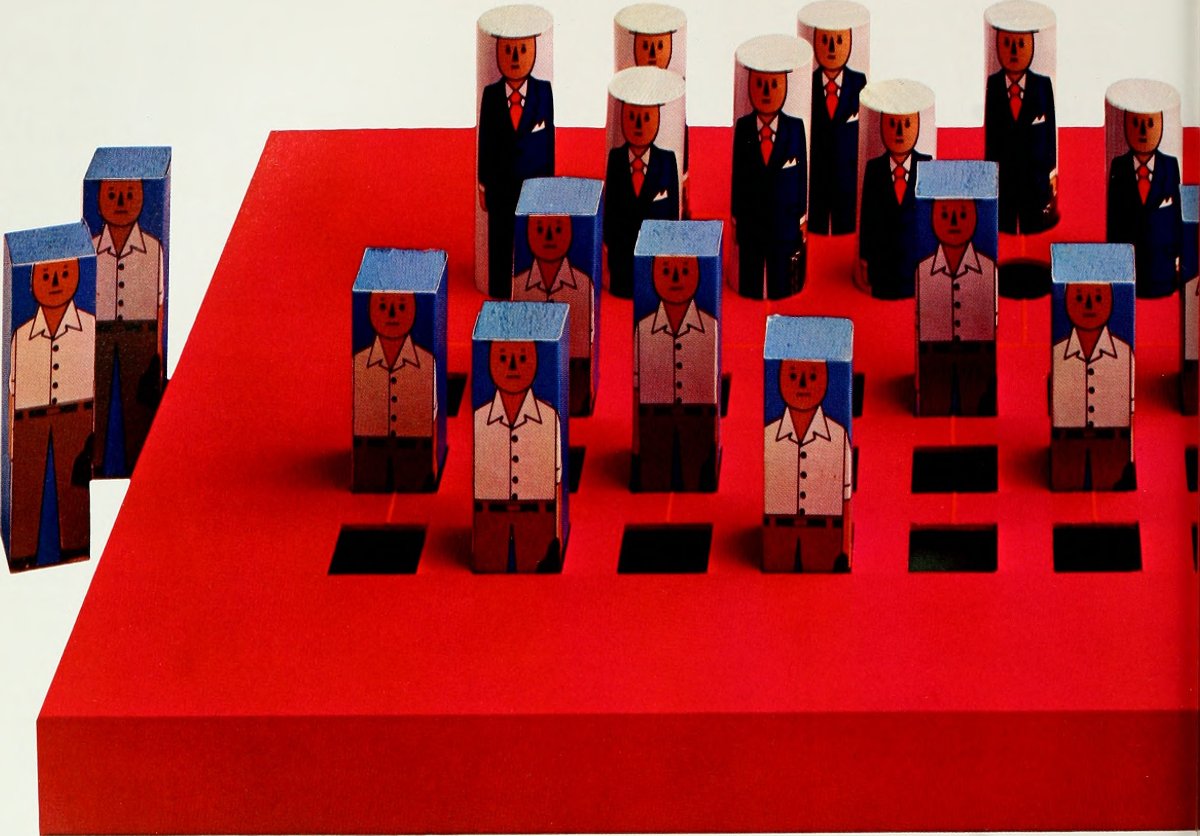
Over 25 years ago, Barry Cohen and I published a book titled Leadership Myths and Realities. Since that time we have held a variety of senior leadership positions and have continued to study the Art and Science of Leadership. This post will review the 10 myths and realities we wrote about in the late 80s, discuss their current relevance, and suggest any new myths and realities that have emerged. To be clear, myths usually contain some degree Read More