Tag: organizational growth
Three Types of Trust
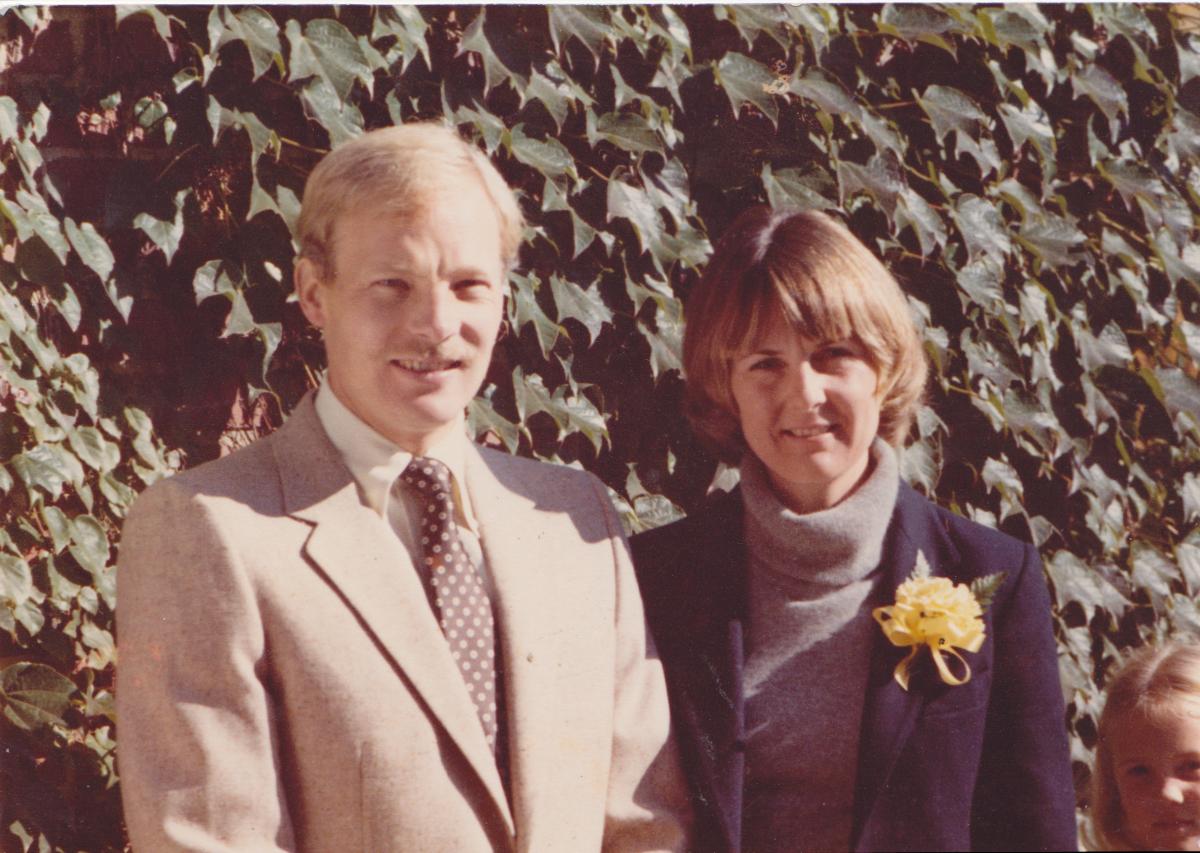
I’ve been married to the same woman for 46 years, and I can say unequivocally that I totally trust her. I trust her to do the right thing, I trust her to not throw me the under the bus (even though I have given her many opportunities), and I trust her to stand up for people in need of special help. When she makes a statement, I know it is based on sound research; she Read More

Health, Helping and Healing
As I get older, I realize that most problems and opportunities are multi-dimensional. There are many sides to every issue and many layers to every person. Things seem more complex, nuanced, and grey these days…

Thinking and Believing
Believe me—Daniel Kahneman got it right: we are more likely to find stories that support our beliefs than seek out evidence in the pursuit of truth. Kahneman is a professor emeritus at Princeton University who wrote the best selling book, Thinking, Fast and Slow. His work is focused on the psychology of judgment and decision-making for which he was awarded the Nobel Prize in Economic Sciences. His findings challenge the assumption of human rationality. Clearly, Read More

The Three Dimensions of Leadership Development
Everyone has an opinion on leadership. Amazon offers over 300,000 books with “leadership” in the title and about 4 new books per day are published by aspiring gurus or established academics. It seems like leadership commands as much curiosity as religion. Why is that? I think there are three reasons. First, readers are looking for different solutions for their particular needs. Some want to learn the secrets of a one-minute manager. Others want an in-depth Read More

Labels, Limits, and Levels
Dr. Bill Anthony, the highly respected, world-renowned, executive director of the Psychiatric Rehabilitation Center at Boston University, initiated classes with new students by throwing the DSM into the waste basket. This dramatic statement was intended to communicate to people entering the mental health field that labels limit our ability to see the potential and possibilities of another human being.

Selecting Coaches
Forty years ago, I wrote my doctoral dissertation on the selection of counselors for public high schools. I didn’t write it to create a career-defining, landmark study. I wrote it to check off a box for the completion of my doctoral degree in counseling psychology. Little did I know that the profession of coaching and counseling would explode in the next century. Now, practically everyone either has a coach or is a coach. The question Read More

Leadership Lexicon
Leaders sometimes wonder why no one is following them. In most cases, the reason is because the leader does not possess all three essentials of effective leadership: Character, Commitment, and Competence. Leaders must be honest and ethical at their core, or people don’t follow. Leaders must also be committed to developing themselves and others. If people are not convinced of the leader’s commitment to their growth, they will not help the leader grow—and they will Read More

Creating Organizational Soul
After publishing Corporate Culture Change, the Corporate Culture Sourcebook, and Ethical Leadership in the late 1980’s, I was retained by Lotus Development Corporation (now known as Lotus Software) in Cambridge, Massachusetts to help them align their culture behind a new network-centric strategy to better differentiate their company from its arch-rival Microsoft.

Ethical Leadership
One more time. In 1987, Barry Cohen and I wrote the book Ethical Leadership. We published the first version of the book when greed was still in its relative infancy and millionaires (much less billionaires) were still relatively rare. It thus preceded the economic boom of the 1990s, a decade in which market values escalated to what was then outrageous levels. In finance, Black Monday refers to Monday, October 19, 1987, when stock markets around the Read More

Leadership Myths and Realities
Over 25 years ago, Barry Cohen and I published a book titled Leadership Myths and Realities. Since that time we have held a variety of senior leadership positions and have continued to study the Art and Science of Leadership. This post will review the 10 myths and realities we wrote about in the late 80s, discuss their current relevance, and suggest any new myths and realities that have emerged. To be clear, myths usually contain some degree Read More

Integrated Educational Reform
If educational reform is going to be successful, we need to start with trust and healthy conflict. In my view, commitment is not the major issue. I don’t see a lack of teacher commitment as the biggest problem. To me, capability and culture are far more potent variables in the success equation.

The History of Great Ideas
Great ideas have been piling up in history’s graveyard for 3,000 years. They are left unattended and largely forgotten. When these ideas are first introduced, they are usually met with laudatory excitement and abundant enthusiasm. Then, the ideas are gradually diminished and distorted through this four step process: Trivialization, Bastardization, Privatization, Commercialization