Blog Posts — Page 31

2020 World Culture Vision
The TV show “Downton Abbey” demonstrates as well as anything I have ever read or seen how an all-pervasive cultural code can produce strange and incomprehensible behaviors in people. People will do abnormal things to look “normal” by complying with the unwritten rules of the game.
Just as financial reports need to be audited, so also do the norms and values of the culture.
Taming Tourette
When I was 30 years old, I was diagnosed as having Tourette syndrome (TS).
It was a huge relief to me to finally have a name for what had been tormenting me since I was about 13 years old. I was also depressed to know that I would be dealing with this neurological disorder for the rest of my life.
Fear, Fantasy, Faith, and Facts
In the face of fear, most people either substitute fantasy for reality, cling more tightly to their faith, or distort the facts. It appears to me like a chain reaction: fear leads to fantasy that is then expressed in faith which creates its own convoluted “truth” or faux facts. With fear levels at unprecedented heights, we need to explore the components of this reaction more closely.
Assessing Leadership Potential
We are currently in a dark period resulting from dark forces (Trump himself, Comey, Putin, racism, sexism, homophobia, white supremacy, and ignorance).
In the midst of this darkness, we all need to take responsibility for growing whatever light we can find within ourselves and in the people we love.
Presence and Presents
“We convince by our presence.” —Walt Whitman
You can’t fake being present in the long term…and other thoughts on how presents can’t stack up to the gift of presence.

Reacting and Responding
People deserve to be understood.
Many people are suffering from crushing pain that they just can’t seem to beat.
How can we respond–without reacting?
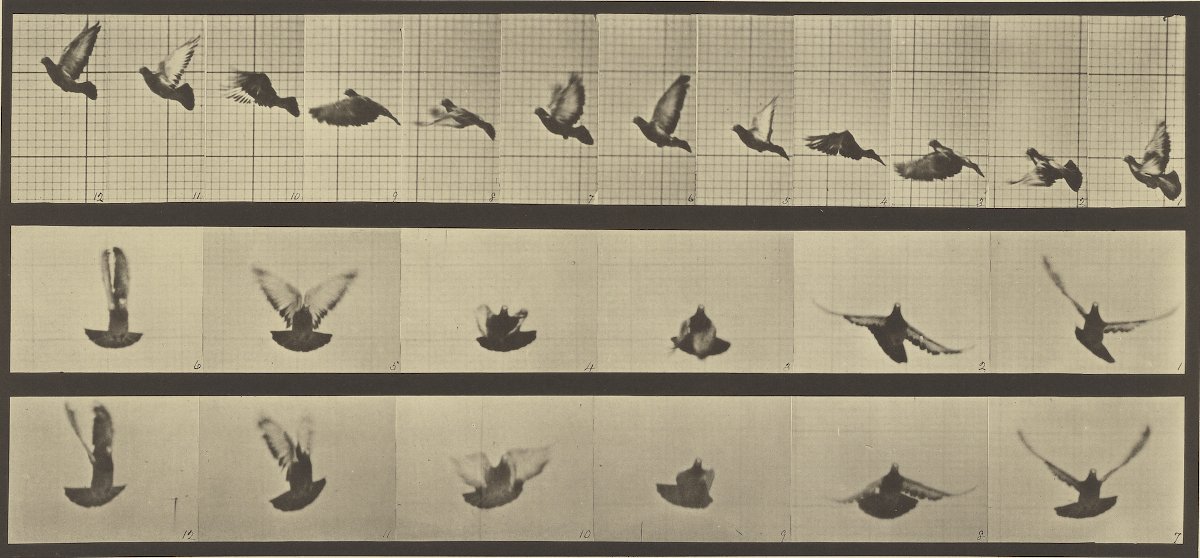
Thinking about Thinking
My wife often asks me, “What were you thinking?!!!” My response is usually, “I have no idea!”
But thinking about the way we think is a crucial part of making our lives, and the world around us, better.

Fast-Slow-Stop-Look-Listen
My nickname growing up was Rapid Rick. I always got things done quickly. Not always accurately or perfectly, but fast. After 70 years of taking pride in this reputation, I finally realized that slower is better. Ouch!
Yes, there were some advantages to my “now is good” approach to life…but now I wonder at what price.
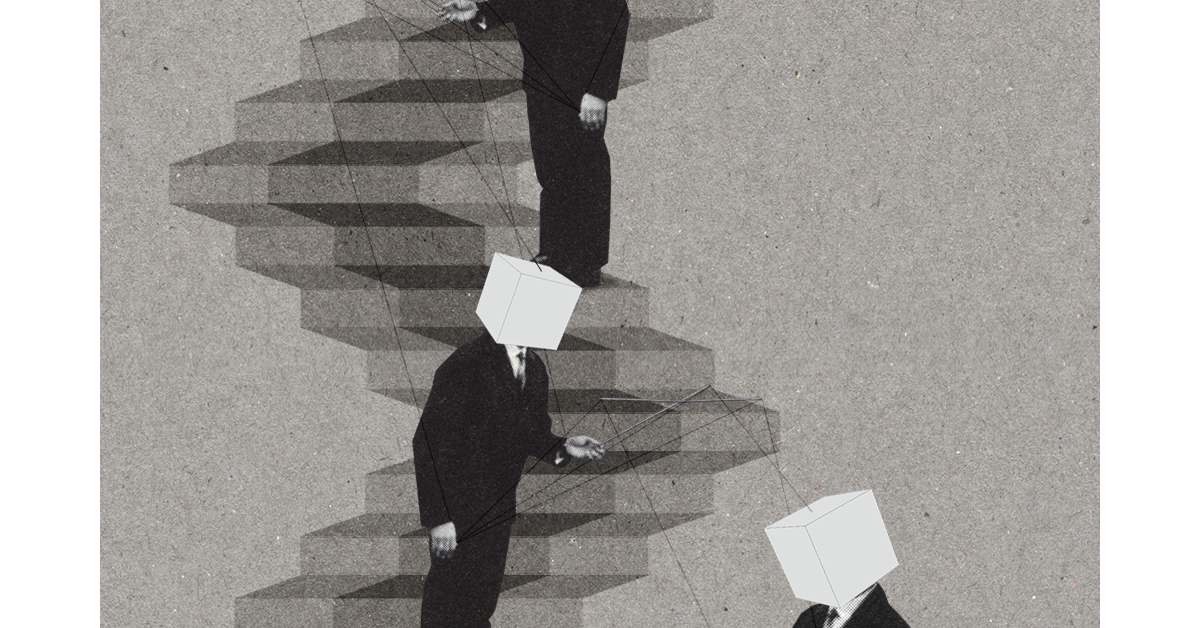
P and E Trump I and S
When I was a kid growing up in the 50s, my whole life revolved around kickball, basketball, running, climbing and hanging out with a neighborhood full of friends. My community consisted entirely of white, Christian, straight (as far as I knew) people. My world was physical and emotional. I measured success by goals scored and games won, and by how many friends I had in the In-Group.
![[ C ] Chuck Close - Dalai Lama (2005) | Credit: cea+](https://rickbellingham.com/wp-content/uploads/2016/11/flickr_centralasian_dalailamabychuckclose_web.jpg)
Helping or Hurting
It’s Day One after the election of 2016. I feel sick and scared. Who better to suggest a remedy for our spiritual malaise and existential crisis than the Dalai Lama? In a recent article in the New York Times (November 4, 2016), the Dalai Lama and Arthur Brooks co-authored a column: “Behind our Anxiety, the Fear of Being Unneeded.” It seems like an odd couple to me, but their message is profound. They point out […]
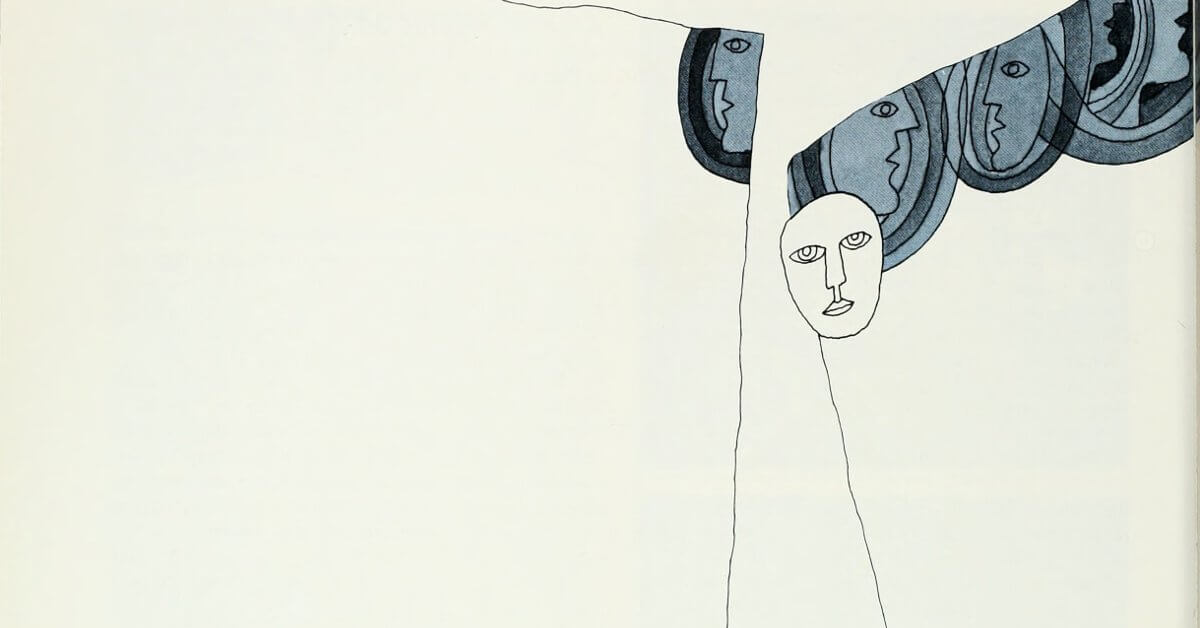
Pain and Empathy
Pain may not be your friend, but it may be your partner. And pain may be the path to empathy.

Emptiness
I remember the knock on the door. It was 1982, and we were living in Basking Ridge, NJ. A fresh-faced and earnest 10 year-old wanted to know if he could mow our lawn. He said he was saving up to buy a car. Even though I was perfectly capable of mowing the lawn myself, I said, “Fantastic, you’re hired.” Today, 34 years later, we are still friends. Richard is now a 5th degree black belt […]